The Wildlife Garden


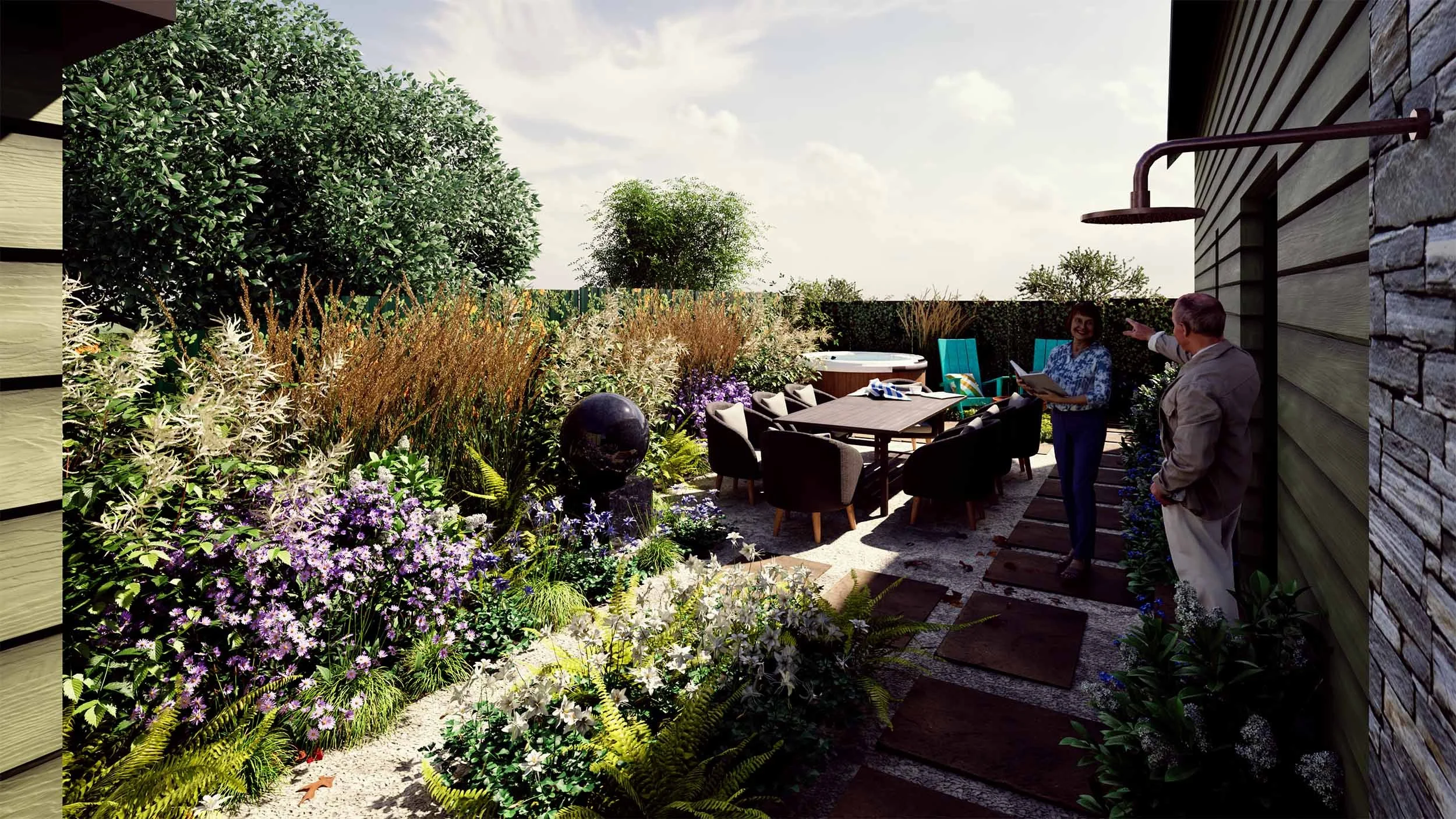
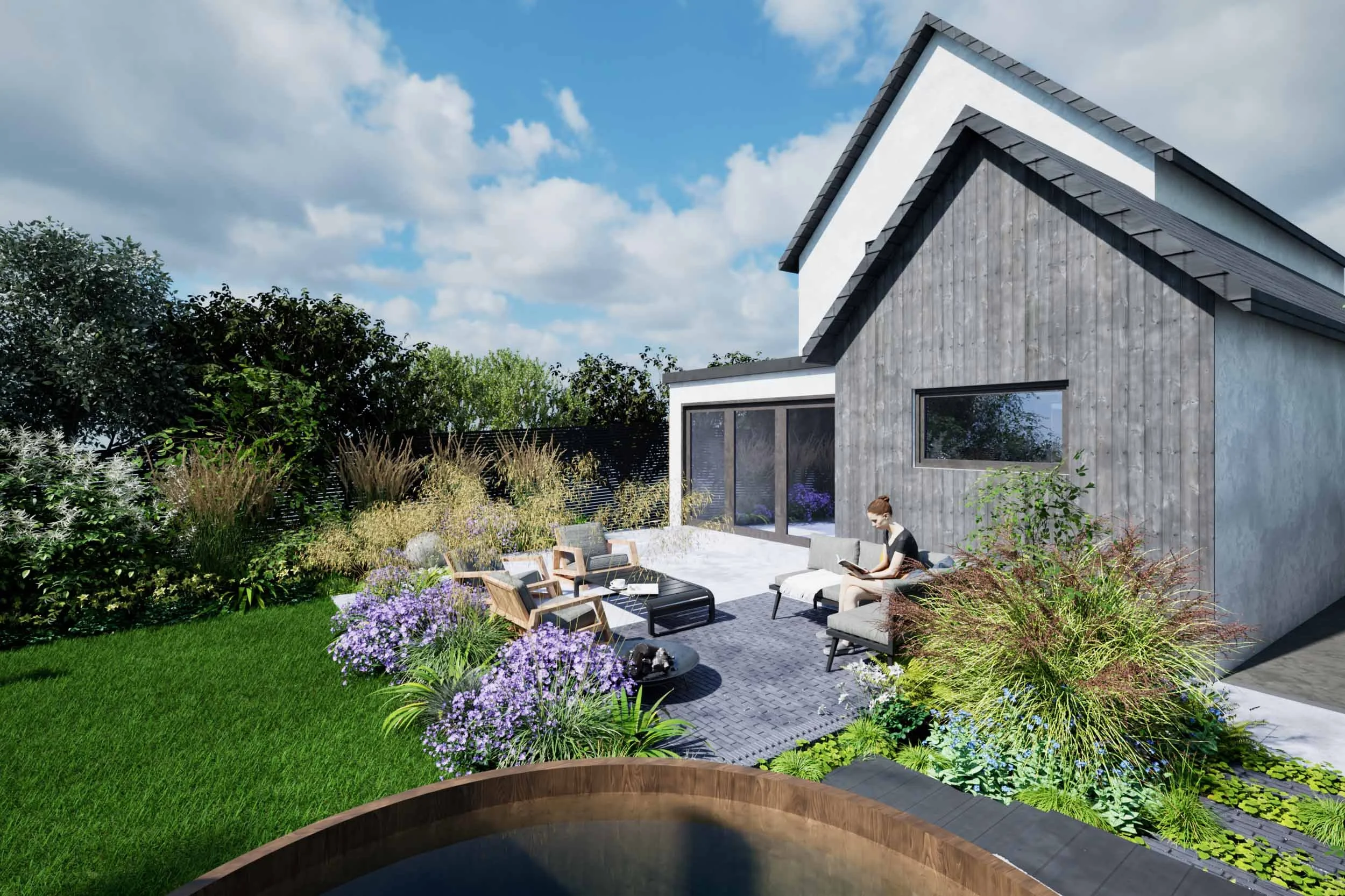
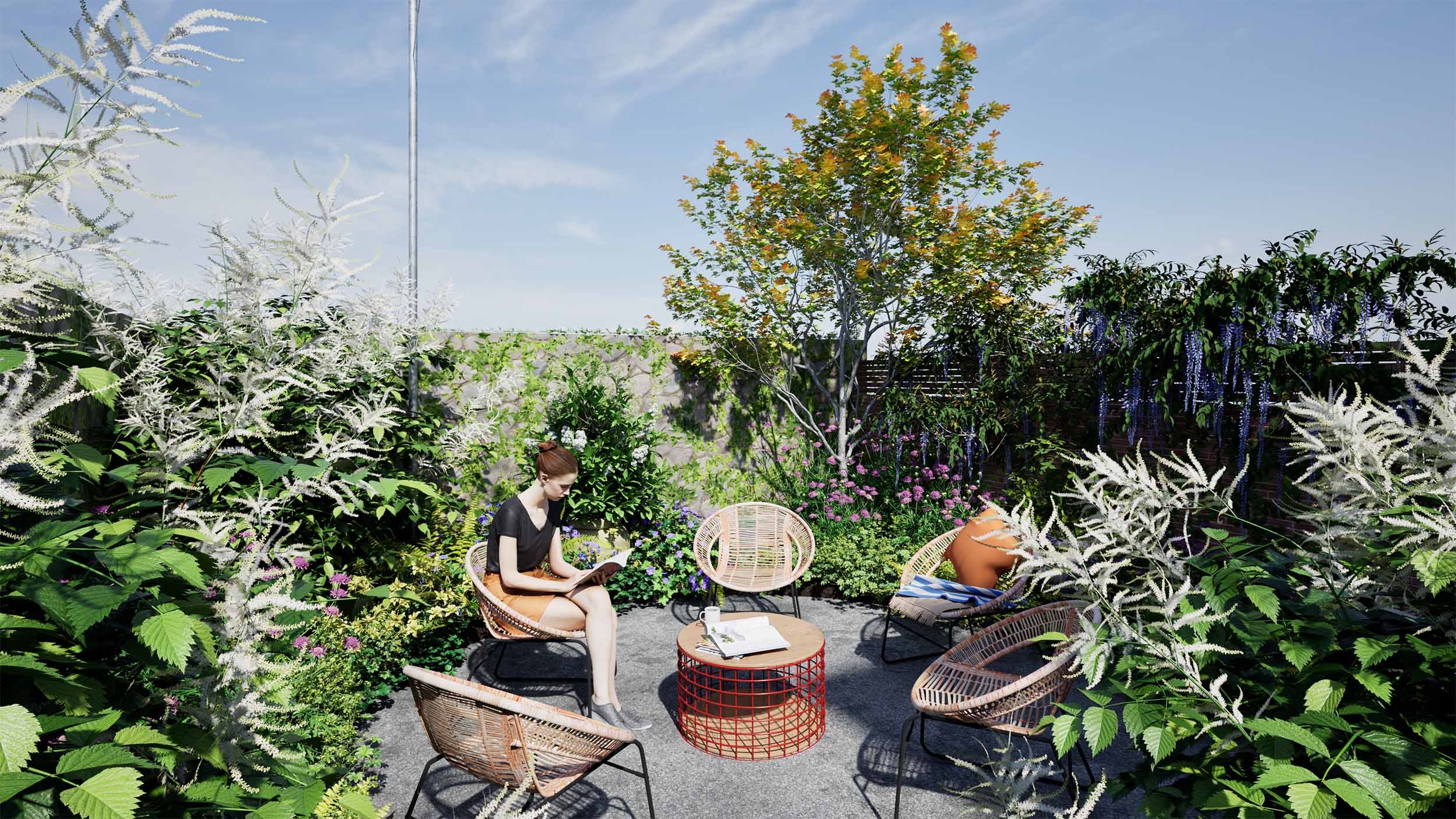
I was delighted to be commissioned to perform a complete biodiverse transformation for this rural property near Penzance. The brief was for an informal, naturalistic cottage style with wildlife, particularly pollinators, at its heart.
Key design elements included:
Preserving Heritage: An established hawthorn on a traditional drystone bank was retained to provide the design's sculptural centrepiece. A substantial granite rock was also retained and integrated into a path as a feature in keeping with the site’s rugged geological character. Retaining and repurposing is ecologically sound and has the benefit of adding a sense of instant maturity to a new garden.
Connectivity: The garden was designed as a ‘living corridor’ for wildlife and people, supporting beautiful but functional connections between the cottage, a seating area, multiple birdbox sites, a garden chalet, and the vegetable garden with a large wildlife pond beyond.
Increasing biodiversity: The existing lawn was completely replaced by substantial, highly biodiverse planting beds, boundaried by gently curving paths that traced the natural routes through the garden.
Ecological Planting: As well as including many of the client’s favourites, most of the plant species selected were featured on the RHS Plants for Pollinators list. The palette was designed to support a full spectrum of wildlife, from bees and butterflies to nocturnal moths, which in turn support the local bat population.
Year-Round Interest: By ensuring a continuous flowering succession, the garden not only looks good year-round, but provides a vital food source across all four seasons, supporting those brave pollinators willing to venture out even in winter!
This project represents a significant ecological shift, a garden that doesn't just sit within the wild Cornish countryside but actively contributes to its health and beauty.
“When we were planning to redesign our garden we were unsure whether to use a garden designer. Someone recommended Rebecca to us and we are very glad that they did. From the first contact we got on well with Rebecca. She listened to what we wanted and produced an amazingly detailed plan that reflected exactly what we wanted with a lot of very useful advice. We would not hesitate to recommend Rebecca and would certainly use her services again”
— Testimonial from Stephen, The Wildlife Garden client.